
Does home window tinting reduce heat?
Home Window Tinting Reducing Heat and improving comfort
Home window tinting is a popular solution for reducing indoor heat and improving comfort. By applying specialised films to glass surfaces, it blocks significant solar heat gain, lowers glare, and protects interiors from UV damage. This page explores how window tinting works, its benefits, and considerations to help you decide if it’s right for your home.
- Typical cost ranges from moderate to premium, depending on film type and home size
- Ensure compatibility with window type, especially avoiding double-pane windows with reflective films
- Installation is usually completed within a day or two for most residential properties
- Best options vary by goal: budget-friendly films, high-performance heat rejection, or long-lasting durability
- Aftercare includes gentle cleaning and periodic inspection to maintain film integrity
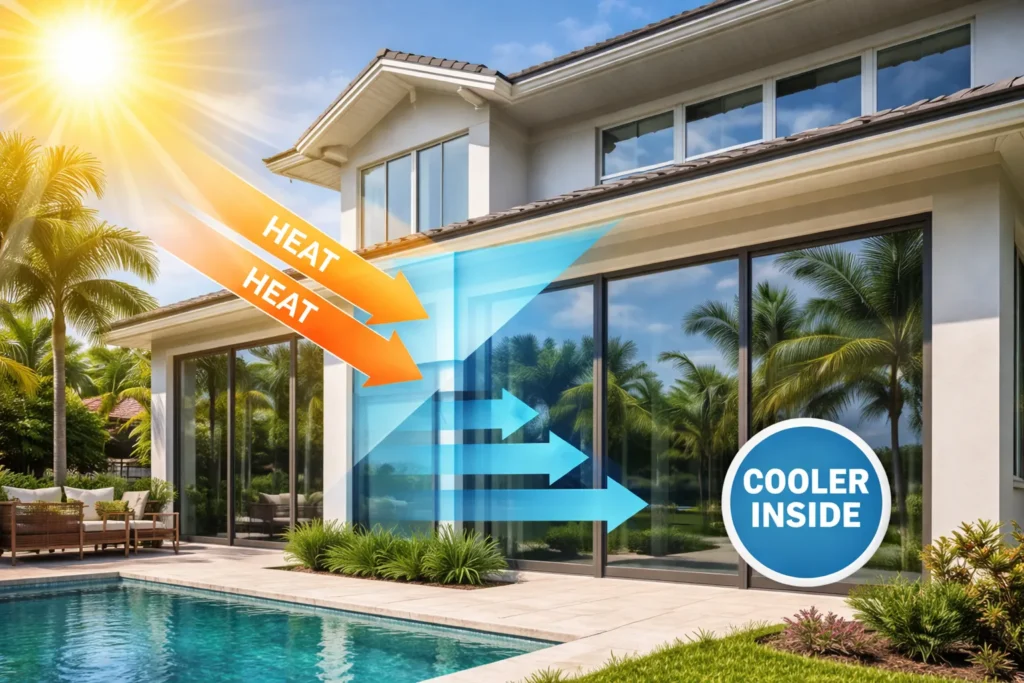
Does home window tinting reduce heat?
Yes, home window tinting effectively reduces heat by blocking solar radiation before it enters your living space. However, reflective tints can cause issues with double-pane windows by overheating the gas layer between panes, so film choice and window type must be carefully matched.
Window tinting films work by reflecting or absorbing infrared light, which carries heat energy from the sun. This reduces the amount of heat transferred indoors, lowering cooling costs and increasing comfort. Reflective films are particularly effective but may not suit all window constructions, especially double-pane windows, where trapped heat can cause damage.
Key factors
Choosing the right film and understanding your window type are critical to maximising heat reduction without causing damage.
- Assess if your windows are single or double pane before selecting a reflective film
- Consider films with high infrared rejection for the best heat control
- Professional installation ensures proper adhesion and performance
- Check local regulations regarding allowable tint levels for residential windows
- Durability varies by film quality; premium films can last over a decade
How does home window tinting help in reducing heat during summer?
Window tinting reduces summer heat by blocking up to 80% of solar heat gain, which keeps indoor temperatures cooler and reduces reliance on air conditioning systems.
During summer, tinted windows reflect and absorb infrared rays, preventing excessive heat buildup inside the home. This not only improves comfort but also protects furniture and flooring from fading due to UV exposure. The reduction in heat gain can lead to noticeable energy savings and a more consistent indoor climate.
Quick checklist
- Choose films with high solar heat rejection ratings
- Ensure UV protection to prevent interior fading
- Consider visible light transmission levels for maintaining natural light
- Professional installation minimises bubbles and peeling
- Regular cleaning with non-abrasive materials preserves film clarity
What are the potential drawbacks of tinting windows in a home?
Potential drawbacks include compatibility issues with double-pane windows, possible changes in window appearance, and the need for careful maintenance to avoid damage to the film.
Reflective films can cause overheating of the gas layer in double-pane windows, leading to seal failure or glass damage. Some tints may darken the room or alter the view, which might not suit all homeowners. Additionally, improper cleaning or installation can reduce the lifespan of the tint, requiring replacement sooner than expected.
Quick checklist
- Verify the window type before choosing film to avoid damage
- Understand aesthetic changes and select film accordingly
- Follow manufacturer’s cleaning guidelines to prevent scratches
- Consult professionals for installation to ensure warranty validity
- Be aware of local building codes or homeowner association rules
Are there specific regulations regarding window tinting in my area?
Yes, many regions have regulations controlling the darkness and reflectivity of window tints on residential properties to balance privacy, safety, and neighbourhood aesthetics.
Before tinting your home windows, it’s important to check local laws or homeowner association guidelines. These rules may limit how dark or reflective your window films can be. Compliance ensures your installation is legal and avoids potential fines or required removal.
Quick checklist
- Research local government or council regulations on window tinting
- Confirm allowable visible light transmission (VLT) percentages
- Check for restrictions on reflective or mirrored films
- Obtain necessary permits if required
- Consult with your tinting provider for compliance advice
What factors should I consider when choosing a window tinting service in my locality?
Choose a window tinting service with proven expertise, quality film options, professional installation standards, and knowledge of local compliance requirements.
A reputable provider will assess your home’s window types, recommend suitable films for heat reduction and durability, and ensure clean, long-lasting application. They should also provide transparent pricing and aftercare guidance. Local experience is valuable for navigating regulations and climate-specific needs.
Quick checklist
- Verify installer certifications and experience
- Request examples of past residential projects
- Confirm use of premium films with heat rejection properties
- Ask about warranties and maintenance support
- Ensure compliance with local tinting regulations
How can I determine the best type of window tint for heat reduction?
The best window tint for heat reduction balances high infrared rejection, UV protection, visible light transmission, and compatibility with your window type.
Films vary from dyed and metalised to ceramic and hybrid types. Ceramic films typically offer superior heat rejection without darkening windows excessively. Avoid reflective films on double-pane windows to prevent heat damage. Consulting a professional helps match film properties to your home’s needs and climate.
Quick checklist
- Prioritise films with high infrared and UV rejection
- Consider visible light transmission for natural lighting preferences
- Check compatibility with window glass type (single vs double pane)
- Evaluate budget versus performance and durability
- Seek professional advice for optimal film selection
How does home window tinting compare to other heat reduction methods?
Window tinting offers a cost-effective, non-invasive way to reduce heat gain compared to structural changes like awnings or window replacement, with added benefits of UV protection and glare reduction.
While shading devices and upgraded glazing can also reduce heat, tinting is quicker to install and less disruptive. It complements other methods well and can be tailored to specific windows. However, it may not replace the insulation benefits of double or triple glazing.
Quick checklist
- Assess the cost versus the effectiveness of tinting versus physical shading
- Consider tinting as a retrofit option without window replacement
- Combine tinting with blinds or curtains for enhanced control
- Evaluate long-term energy savings potential
- Consult professionals for integrated heat reduction strategies
What is the average cost range for tinting windows in a house?
Home window tinting typically costs between moderate and premium price points, depending on film quality, window size, and installation complexity.
Basic dyed films are more affordable but offer lower heat rejection, while ceramic and hybrid films cost more but deliver superior performance and durability. Installation costs vary by home size and number of windows. Obtaining detailed quotes ensures budget alignment.
Quick checklist
- Request itemised quotes from multiple providers
- Compare film types and their heat rejection ratings
- Factor in installation fees and any preparatory work
- Consider long-term savings on energy bills
- Ask about warranties and service guarantees
Can window tinting help reduce heat during the winter months as well?
Window tinting primarily reduces heat gain in summer, but certain films can also improve insulation and reduce heat loss during winter.
Some films have low-emissivity (low-E) coatings that reflect interior heat back inside, helping maintain warmth. While tinting is not a substitute for insulation upgrades, it can contribute to year-round energy efficiency by moderating temperature swings.
Quick checklist home window tinting
- Look for films with low-E properties for winter benefits
- Understand that tinting complements but does not replace insulation
- Consider combined strategies for seasonal comfort
- Consult professionals about film options suited for your climate
- Maintain films properly to preserve thermal performance
What is the typical lifespan of Home window tinting once applied?
High-quality window tinting films can last over a decade with proper installation and maintenance, while lower-grade films may degrade sooner.
Durability depends on film material, exposure to sunlight, and care. Premium ceramic and hybrid films resist fading, bubbling, and peeling better than basic dyed films. Professional installation and gentle cleaning extend the lifespan significantly.
Quick checklist home window tinting
- Choose premium films for longer durability
- Ensure professional installation to avoid early failure
- Clean films with recommended non-abrasive products
- Inspect films periodically for damage or wear
- Replace films as needed to maintain performance
| Option | Best for | Watch-outs |
|---|---|---|
| Dyed Films | Budget-conscious homeowners seeking basic glare and heat reduction | Lower heat rejection; may fade or bubble over time |
| Metalized Films | Moderate heat rejection with enhanced durability | Can interfere with electronics; reflective appearance |
| Ceramic Films | High performance heat rejection and UV blocking without darkening windows | Higher upfront cost |
| Hybrid Films | Balanced cost and performance with good heat rejection and aesthetics | Varied quality; verify specifications |
| Reflective Films | Maximum heat reflection and privacy | Not recommended for double-pane windows; can cause heat damage |
How can I get started with home window tinting to reduce heat?
Begin by consulting a professional window tinting provider to assess your home’s windows, recommend suitable films, and ensure compliance with local regulations for effective heat reduction.
Star Tint offers expert guidance and professional installation services tailored to your home’s needs. Contacting a trusted provider will help you select the best film type, understand costs, and schedule installation with minimal disruption. Proper aftercare advice will also be provided to maintain your investment.